France builds nuclear defense web with ten European partners
Paris is linking its nuclear deterrent to allied nations as trust in American security guarantees fades.
By Zoe Ruiz ·
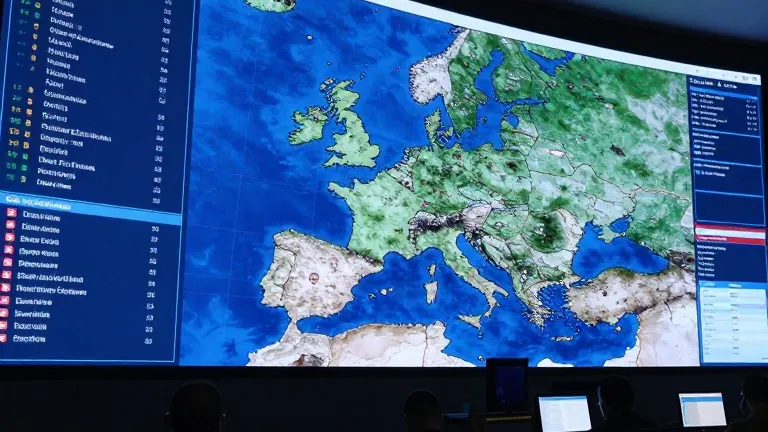
Europe is moving to tighten its defensive ties in the face of shifting American priorities. France is coordinating with ten other nations to expand its role as the continent's nuclear power, a move designed to deter Russian aggression. The Wall Street Journal reported on Monday that this initiative aims to address growing doubts about the United States' commitment to European security.
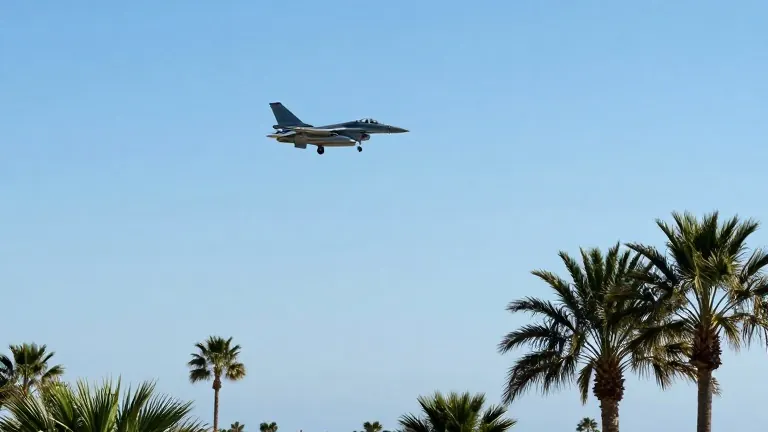
The plan, known as forward deterrence, involves building new infrastructure and establishing communications and intelligence-sharing links. It also includes deploying French Rafale jet fighters, which are nuclear-capable, across the continent. Since French President Emmanuel Macron announced the concept in March, the UK, Germany, Poland, the Netherlands, Belgium, Finland, Norway, Sweden, and Denmark have joined the project. Each nation participates with varying levels of involvement.
Finnish President Alexander Stubb addressed the logistical realities of the arrangement. "We don’t have any plans to put nuclear weapons on Finnish soil in peacetime. But we do have plans for creating a strategic dilemma for Russia," Stubb said. He noted that the process is likely to take ten to 15 years, adding that the country feels it is useful to be involved in the information flow.
Rather than holding joint meetings, France has conducted individual talks with its partners. Senior defense officials told the WSJ that European allies maintain constant communication to compare the information they receive from Paris. This fragmented approach reflects the current state of negotiations and information sharing among the group.
The initiative gains momentum as confidence in the US wanes. Concerns have risen that Washington might hesitate to risk nuclear war to defend a European ally, particularly as President Donald Trump pursues energy deals with Russian President Vladimir Putin and pressures Ukraine. France argues its deterrent is more credible because it shares geography and economic continuity with its neighbors. Macron’s adviser, Chatel, stated at the Warsaw Security Conference that France is "part and parcel of the same continent" as its allies.
Norwegian Foreign Minister Espen Barth Eide clarified that the plan supplements, rather than replaces, existing US nuclear guarantees. The structure remains entirely under French control. Macron announced that France will resume manufacturing nuclear devices for the first time in decades and will keep the size of its stockpile confidential. One European government minister noted that France will allow participation in its deterrence to the same extent the Americans do. The strategy was designed to be acceptable across the political spectrum, including to the far-right party of Marine LePen, which is polling ahead in the race for the presidency in next spring's elections.
Source: The Jerusalem Post