
European Energy Costs: Winter Storage Deficit Pushes Prices to Four-Year High
Wholesale gas reached 97 euros per megawatt-hour as Middle East tensions and low reserves strain supply ahead of the heating season.
By Emmanuel Ellis ·
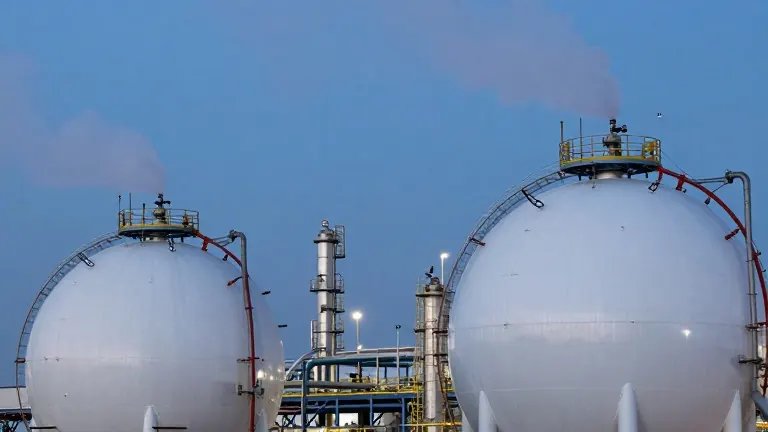
European energy markets are tightening as traders assess the cost of heating a continent with fewer stored reserves than in ten years. Wholesale gas prices in Europe hit 97 euros per megawatt-hour on Monday, a level not seen since 2022. The spike coincided with falling temperatures across the region and rising demand for heating.
In the United Kingdom, the month-ahead gas contract increased by 4% to 240 pence per therm. This represents the highest price since December 2022, when costs surged following Russia’s full-scale invasion of Ukraine. Market participants are pricing in stronger demand as the winter season approaches.
Geopolitical instability in the Middle East is a primary driver of the price increase. Reports indicate that the United States and Israel have prepared plans for renewed strikes against Iran, a move expected after the US midterm elections. These reports pushed the price of oil to 117 dollars a barrel on Friday. While Brent crude retreated by approximately 2% on Monday, it remained above 114 dollars per barrel.
Supply concerns extend beyond geopolitical conflict to physical storage levels. European gas storage facilities are currently 75% full, down from a seasonal average of 80%. This decade-low level results from a slowdown in exports from Qatar and higher summer consumption for refrigeration and cooling. The deficit forces Europe to rely more heavily on immediate imports to meet winter demand.
British energy regulators warn that the UK will likely face some of the highest energy costs in Europe this winter. The country has among the smallest gas stores in the continent after decades of reliance on North Sea production. According to the Office for National Statistics, the UK paid a record 4 billion pounds on power imports in the year ending in August. Half of that expenditure covered electricity imported from France.
Grid constraints have also altered domestic payment flows. The UK made near-record payments over the past year to fire up gas plants while wind and solar farms were paid to turn off due to bottlenecks. These operational costs contribute to the rising burden on consumers. British households face a predicted 16% increase in energy bills starting in January. The typical annual dual fuel bill is expected to reach the equivalent of 2,000 pounds.
Despite high energy costs, European stock markets showed slight gains on Monday. The Stoxx Europe 600 index, which tracks the largest companies on the continent, rose by 0.3% in early trading. The UK’s FTSE 100 index climbed by 0.4%, reflecting a modest positive reaction to the weaker oil price.
Source: The Guardian
More Business · Bad Service · Report a business · Got a Story?