
Ukraine faces satellite blackout risk
Reliance on Starlink creates strategic vulnerabilities as political tensions disrupt vital communications.
By Zoe Ruiz ·
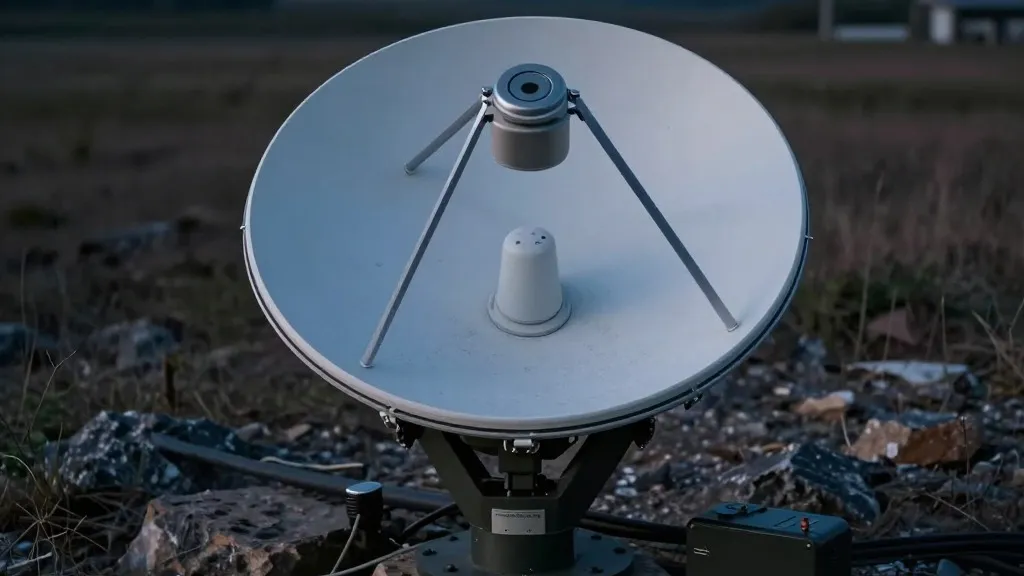
Tens of thousands of terminals now sit across Ukrainian soil, paid for by the US and European allies. These devices have been the backbone of the country's digital defense. Yet a growing unease is spreading through military and civilian channels. The service that has kept Ukraine connected is becoming less reliable. This shift is forcing a urgent reevaluation of how the nation stays in touch with the outside world.
The core issue is no longer just technology. It is politics. Elon Musk’s Starlink has supported Ukraine’s resistance to the full-scale Russian invasion for years. However, recent disruptions have highlighted a fragile dependency. The service is the world's largest communications satellite network. It provides high-speed internet to any user or vehicle with a compact terminal. This capability is critical for both civilian life and military operations.
On the battlefield, these connections are vital. Ukrainian forces use the link to control drones remotely. They strike Russian targets and defend the air. Without a stable signal, these operations become difficult. The BlueBird Tech representative, speaking anonymously for security reasons, noted the service's dominance. He stated that Starlink offers some of the best satellite coverage available. He added that there are virtually no competitors when cost, availability, and ease of use are considered.
There is a practical limitation, however. The antenna must be positioned correctly to receive signals. This physical constraint can be a challenge in dynamic combat environments. Despite this, the network remains the preferred choice. The US government and countries like Poland and Germany have funded the hardware. They also cover the subscription fees. This financial support has been massive. It has allowed Ukraine to scale its digital infrastructure rapidly.
Access to a military-grade version called Starshield has also been granted to Ukraine. Ukrainian defense companies can test their technologies in cooperation with the military using this system. This partnership has deepened the integration of satellite tech into the defense strategy. Yet the recent instability raises concerns. If the provider plays politics, the lifeline could be cut or throttled at a critical moment. This is a risk that strategists are now taking seriously.
The question facing Europe and Ukraine is how to move forward. They need a plan that does not rely solely on one private provider. The current setup is efficient but vulnerable. Alternatives exist but may lack the same combination of cost and performance. The search for a backup is urgent. It is not just about having another provider. It is about ensuring continuity of operations regardless of commercial or political decisions made by the service owner.
For now, the terminals remain in use. The network continues to function, though with interruptions. The military and civilian sectors are adapting. They are looking for ways to reduce their reliance on a single source. This transition will take time. It requires new investments and new partnerships. The goal is to ensure that the lights and the communications stay on, no matter what happens in the boardroom.
The next steps involve deeper analysis of alternative systems. Governments are likely to increase funding for backup solutions. Defense companies will continue to test and refine their own satellite capabilities. The focus will shift from convenience to resilience. Ukraine has learned to fight with Starlink. Now it must learn to fight without it, or at least without depending on it entirely.
Source: Ars Technica · original report published