53 seats: The projected total that leaves Netanyahu without a mandate
Local media projections show a fragmented Knesset where no bloc holds the 61 seats required to govern, forcing complex coalition negotiations.
By Emmanuel Ellis ·
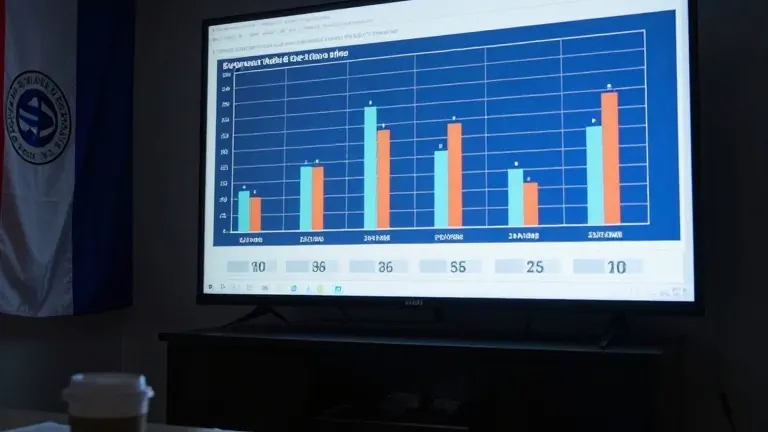
Local media projections released on Thursday indicate that Prime Minister Benjamin Netanyahu's political bloc will secure 53 seats in the 120-member Knesset. This total falls short of the 61 seats required to form a governing majority. The opposition camp is projected to win 48 seats, while Arab-led parties are expected to take 19.
The final count will likely arrive later on Thursday evening. Election officials must first tally approximately 500,000 absentee ballots. These votes come from military personnel, diplomats, and individuals in prisons or hospitals. Officials do not expect these late arrivals to alter the projected balance of power.
Israelis have waited for these results since the polls closed. The outcome confirms that neither side holds a clear mandate. Netanyahu remains in his position while political leaders determine the next steps. The weeks ahead will involve difficult negotiations between various factions.
Two main paths have emerged for forming a government. One possibility is a historic alliance between Jewish and Arab parties. The other involves parties that campaigned against Netanyahu joining forces with him. No Arab party has joined a coalition government since a brief arrangement in 2021.
Gadi Eisenkot, the former military chief and Netanyahu's main rival, addressed supporters on Wednesday. He spoke of creating a government that serves everyone. He has stated he is open to working with Arab-led parties to reach the 61-seat threshold. The Joint List, one of those parties, expressed openness to political cooperation.
Netanyahu's Likud party received the most votes in the election. However, the party accused Arab-led groups of stealing the election. Likud asked the election committee to investigate these claims. The committee stated that reported irregularities in the vote were few and offered no specific evidence to support the accusation.
President Isaac Herzog will assign the task of forming a government next week. Tradition suggests this role goes to the leader of the party with the most votes, but it is not a legal requirement. Herzog and Eisenkot have both indicated they want to avoid a new election. A second vote is scheduled for early next year if coalition talks fail.
The election highlighted deep divisions in Israeli society. Issues included military service exemptions for the ultra-Orthodox population and the handling of the war in Gaza. Netanyahu faces corruption allegations and criticism for delaying hostage deals. Arab citizens, who make up 20 percent of the population, expressed hope that a new government will address their rights.
Source: CBC News