Writing Detectors: Ghostwriter Loses Book Deal Over False AI Flag
A professional writer says multiple tools misidentified her work as machine-generated, costing her a potential client despite her experience.
By Hiroshi Davis ·
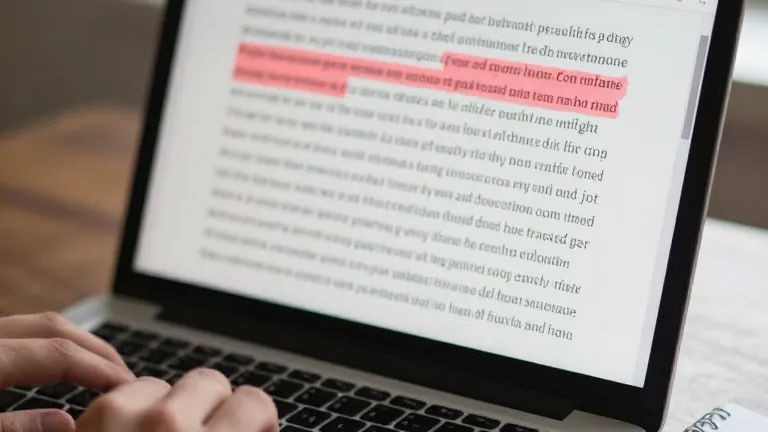
Sally McGraw, a nonfiction writer with more than 20 years of professional experience, received an email rejecting her book proposal draft. The prospective client informed McGraw that several artificial intelligence detection tools had identified her writing sample as machine-generated. McGraw stated she had written the text entirely herself. The rejection marked a turning point in how she approaches her craft.
The client later confirmed to NPR that they screened the work. The client cited experience and fit as the primary reasons for hiring a different writer, though McGraw believes the detector results influenced the decision. McGraw was paid for the sample but missed the opportunity to write the full proposal. She described the experience as embarrassing and said the incident made her question the reliability of the screening process.
Publishers report a surge in submissions that strains editing resources. Neil Clarke, publisher of Clarkesworld magazine, noted that monthly submissions rose from roughly 1,100 in 2021 to double that amount by February 2023. The increase coincided with the widespread availability of large language models like ChatGPT and Claude. Clarke estimated his own workload increased by about 30 percent. The flood of text has introduced what he calls an element of mistrust into the review process.
Research suggests these detection tools are inconsistent. A study published in June in the International Journal for Educational Integrity tested 160 academic papers using four different detectors. The tools reached conflicting conclusions on the same texts. Pangram, one of the detectors, correctly identified AI use in 37 of 40 combined text papers and 37 of 40 human-rewritten AI papers. Max Spero, Pangram CEO, acknowledged that the tools can make mistakes, particularly when evaluating short passages.
Chris Callison-Burch, a professor at the University of Pennsylvania, explained that detectors analyze how predictable a passage is. Models often find text from their training data unusually predictable, which can cause false positives. Science blogger Janelle Shane found that a detector reported 98.7% confidence that an excerpt from her 2019 book was machine-generated. Shane confirmed she had written the passage herself. These errors can stem from common human writing habits, such as using specific punctuation or sentence structures.
The Authors Guild warned in May that AI detectors create an environment reminiscent of witch hunts. The organization noted that a false positive can cost an author a contract and reputation, while a false negative can erode reader trust. Clarke said he does not personally use detectors to screen manuscripts but believes they can help overwhelmed editors if results are verified. He advised against turning suspicions into accusations. He stated that submissions should end in rejection, not an accusation.
McGraw has changed her writing habits to avoid future flags. She now avoids certain words and sentence constructions. She sometimes omits commas to create stylistic inconsistency. She said she misses her em dashes, a habit she learned in journalism school. She noted the irony of writing in a way that differs from how large language models are trained. She is bracing for the next major assignment where the outcome will determine her career trajectory.
Source: WFAE
More Business · Bad Service · Report a business · Got a Story?