Ukrainian startup adapts pet tech to guide autonomous war drones
The Fourth Law's Lupynis-10-TFL-1 drone uses simple AI to fly the final 500 meters to a target without pilot input.
By Emmanuel Ellis ·
A Kyiv-based defense firm is using artificial intelligence to reduce pilot workload in drone strikes against Russian forces.
The technology allows a drone to identify and hit a target without human control during the final phase of flight. The system was developed by The Fourth Law, a company that also operates the Odd Systems brand. The firm produces the Lupynis-10-TFL-1, an autonomous drone used by dozens of Ukrainian military units. CEO Yaroslav Azhnyuk states that AI provides a major advantage when facing an opponent with superior resources. He notes that the technology can make a force 10,000 times more effective.
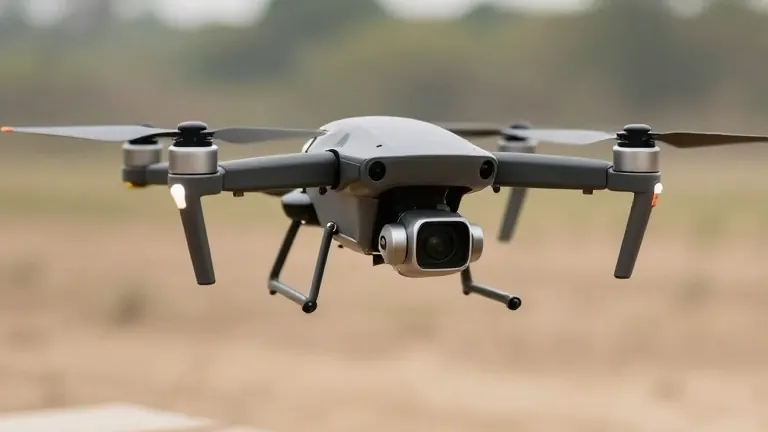
The drone combines a small first-person-view airframe with an autonomous terminal guidance unit. A pilot guides the aircraft to the target area. Once the drone enters the final 500 meters, or 0.3 miles, the onboard computer takes over. This unit contains a microcomputer running a deep-learning neural network. The software is trained on hours of combat footage to recognize specific shapes. It can identify light-armored vehicles, tanks, and flying objects. A test team in a field outside Kyiv demonstrated the system. A pilot named Professor navigated the drone with a control stick. When the drone locked onto a target vehicle, a red flash appeared on the monitor. Professor released the controls. The drone flew itself to the car, adjusting its path continuously. A team member named Stab explained that the pilot was no longer needed for the final approach.
Azhnyuk, who is 37, previously worked in Silicon Valley. He co-founded Petcube, a company that sells cameras for watching pets. Those devices use AI to track animals and dispense treats. He sold one million of those units in the United States. After Russia launched its full-scale invasion in 2022, Azhnyuk shifted his focus to defense. He described the new product as a camera that throws explosives instead of treats. The company names its weapons after Ukrainian intellectuals and artists who were persecuted by Russians. The Lupynis drone is named for poet and activist Anatoliy Lupynis, who spent decades in Soviet custody. Azhnyuk says naming the weapons this way helps honor those individuals. He adds that their ideas are still relevant and are now fighting back.
Ukrainian President Volodymyr Zelenskyy has warned that AI may begin making battlefield decisions as soon as next year. Azhnyuk acknowledges the speed of development but argues that the concern is not unique to AI. He compares the technology to fire or steel, noting that humans decide how to use any tool. He states that safeguards prevent the drones from acting independently of a human operator. Humans still select the target before the AI takes over. He notes that AI drones are difficult to jam, which is a key advantage over traditional systems. He says the current focus is on immediate defense needs. He argues that if Russian systems make decisions in microseconds, Ukraine must use AI to keep pace with human reaction times measured in minutes or hours. He states that if Ukraine loses the war, there will be no chance to debate the ethics of the technology. The priority, he says, is to survive.
Source: WFAE