
Academy Leadership: AI Will Not Replace Human Excellence at the 2029 Oscars
Academy President Lynette Howell Taylor says the awards will continue to focus on human-driven workflows while leadership plans to refine international feature eligibility rules.
By Emmanuel Ellis ·
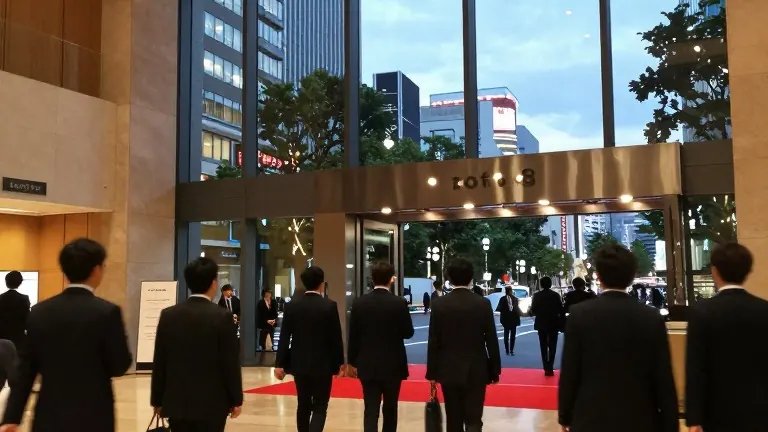
Filmmakers in Tokyo are hearing direct assurances from Academy leadership that artificial intelligence will not dictate the outcome of future ceremonies. During a visit to the Tokyo International Film Festival, Academy President Lynette Howell Taylor stated that the organization awards human excellence. She explained that while AI has been part of post-production for a decade, the center of the workflow will always remain with humans. This stance addresses concerns from voters and creators about how technology is reshaping the craft of filmmaking.
The Academy is also adjusting how non-English language films qualify for the International Feature Award. Starting with the 99th Oscars, a film can now qualify by winning the top prize at one of six major festivals. These include Berlin, Busan, Cannes, Sundance, Toronto, and Venice. This change offers an alternative to the traditional method of being selected as a country’s official submission. The new rule is designed to help filmmakers who work in exile, as they may not have the support of their home government to enter the competition.
Meredith Shea, the Academy’s chief membership, impact and industry officer, confirmed that the International Feature Executive Committee will review these rules annually. She cited the case of Andrey Zvyagintsev’s film Minotaur, which won the Grand Prix at Cannes but not the Palme d’Or. Because France selected it as its official submission, it was still eligible. Shea noted that the committee is open to making edits to ensure the rules match industry standards and represent global filmmakers accurately.
Academy CEO Bill Kramer described the current strategy as a globalization effort. The organization now has 25 percent non-U.S. membership, and Kramer said the non-U.S. audience for the Oscars is roughly equal to the U.S. audience. The Academy has visited Rio, Marrakesh, and Morelia, with team members also attending Busan. These visits serve to meet members and emerging filmmakers in their regions.
The Academy is moving the 2029 ceremony to YouTube. Kramer said the goal is to reach a larger global audience. YouTube has the potential to reach 2.5 billion people around the world, and the show will be available in over 30 languages. This move is intended to increase fan engagement and control over the viewing experience. Kramer noted that the non-U.S. audience is already a significant portion of the total viewership.
Amy Homma, director of the Academy Museum, emphasized the importance of film preservation. She said that archives and collecting institutions are critical to preventing films from being lost. The museum’s Present Past series screens restoration premieres from the wider archival community. Homma urged the industry to build an audience for restored films and to understand the consequences of neglecting preservation efforts.
The Academy is approaching its centennial, and leadership is planning content for the next 18 months. Howell Taylor said reaching 100 years is a chance to reflect on how the film industry has changed in the U.S. and abroad. Kramer predicted continued growth in international membership and programming. The organization aims to expand its collection of international films and maintain its role in identifying new talent through the International Feature category.
Source: Variety