20,000: Tesla’s Weekly Target for Optimus Robots by Late 2027
Tesla aims to deliver 20,000 humanoid robots weekly by the end of next year, but unresolved issues with dexterity and durability keep the timeline in flux.
By Hiroshi Davis ·
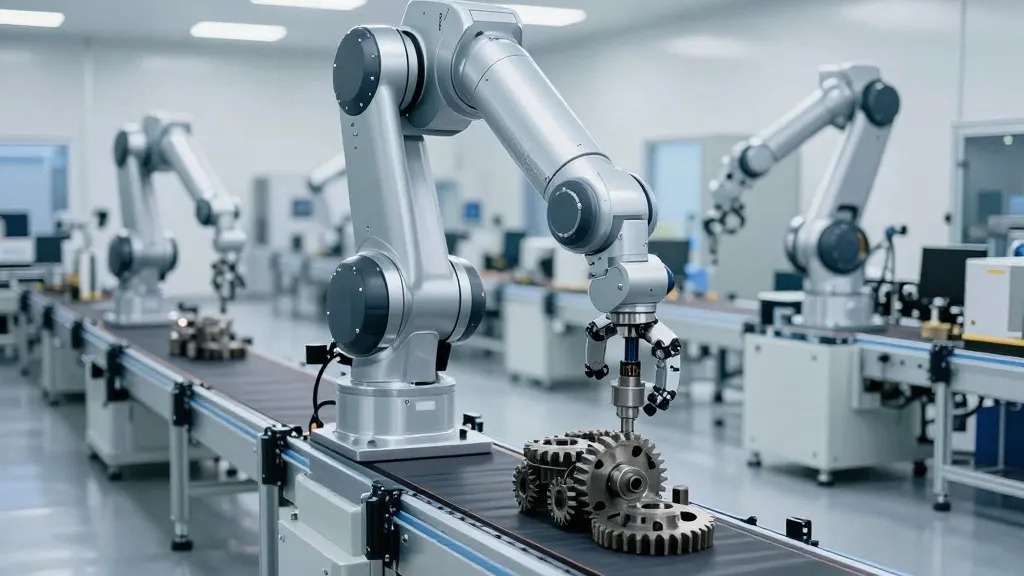
Tesla has reset expectations for its Optimus humanoid robot, stating that external deliveries will not begin until late 2027. This update, shared by CEO Elon Musk during the company’s Q3 2026 earnings call, marks another shift in the long-promised timeline for the machine. The delay is attributed to persistent challenges in three critical areas: the robot’s artificial intelligence, its physical durability, and the complexity of its hands. These are the same hurdles facing the entire humanoid robotics sector, yet Tesla’s leadership maintains a confident stance on its competitive position.
The production infrastructure in Fremont is already substantial. Tesla has installed most of the high-volume line previously used for Model S and X vehicles, designed to eventually produce 20,000 units per week. However, Musk acknowledged that reaching this capacity will take at least a year, possibly longer, as design elements continue to evolve. The primary focus for the next twelve months is solving reliability issues, ensuring the robots do not wear out after just one month of operational use, and refining the electromechanical design. Once these hurdles are cleared, Tesla intends to supply the robots to industrial clients for tasks that are dangerous, repetitive, or require 24/7 operation.
The hand remains the most difficult hardware component to perfect. During the call, Tesla engineers and Musk agreed that the fingers must be soft enough to handle delicate objects yet robust enough to withstand constant wear, a challenge exacerbated by the fact that robots cannot heal like human skin. On the software side, Tesla lacks a large fleet of robots to generate training data, unlike its car fleet for Full Self-Driving. To address this, the company plans to build 10,000 to 20,000 robots for an "Optimus Academy" where they will practice tasks. Additionally, the AI5 chip is slated for integration into Optimus around April 2027.
This timeline follows a pattern of repeated delays. In 2024, Musk suggested high-volume external production for 2026, and in early 2025, he projected thousands of robots doing useful work by year-end, a goal he later admitted was not met. The Q3 shareholder letter now describes the units from the Fremont line as the first "production-quality" bots, implying previous iterations were not. This raises questions about the maturity of the product, especially given that internal reports last month noted the hand and forearm contained over 100 small parts assembled by hand, with touch sensors facing reliability issues.
Competitors are also advancing, challenging Musk’s claim that no one is close to Tesla. XPeng activated an automated production line for its IRON robot in September, with mass production planned for the end of 2026 and deliveries starting in the first half of 2027. Meanwhile, Boston Dynamics has committed all its 2026 Atlas deployments, including to Google DeepMind, and opened a training center at Hyundai’s Metaplant in Georgia. Boston Dynamics has adopted a pragmatic approach to hands, prioritizing sturdy grippers for industrial use over human-like dexterity, effectively bypassing the specific issue holding Tesla back.
The outlook for Optimus hinges on a video promised within the next month or two, which is expected to showcase the robot performing unscripted tasks. If this demonstration proves successful, it may validate the late-2027 delivery target. However, given the history of slipping deadlines and the fact that competitors like XPeng and Boston Dynamics are on similar or ahead schedules, investors should remain cautious. The core challenge is no longer just building robots, but making them useful and reliable enough to justify their cost in a competitive market.
Source: Electrek · original report published