Tesla Shifts Course on Navigation Data
The automaker is constructing proprietary mapping infrastructure to address persistent issues within its autonomous driving capabilities.
By Emmanuel Ellis ·
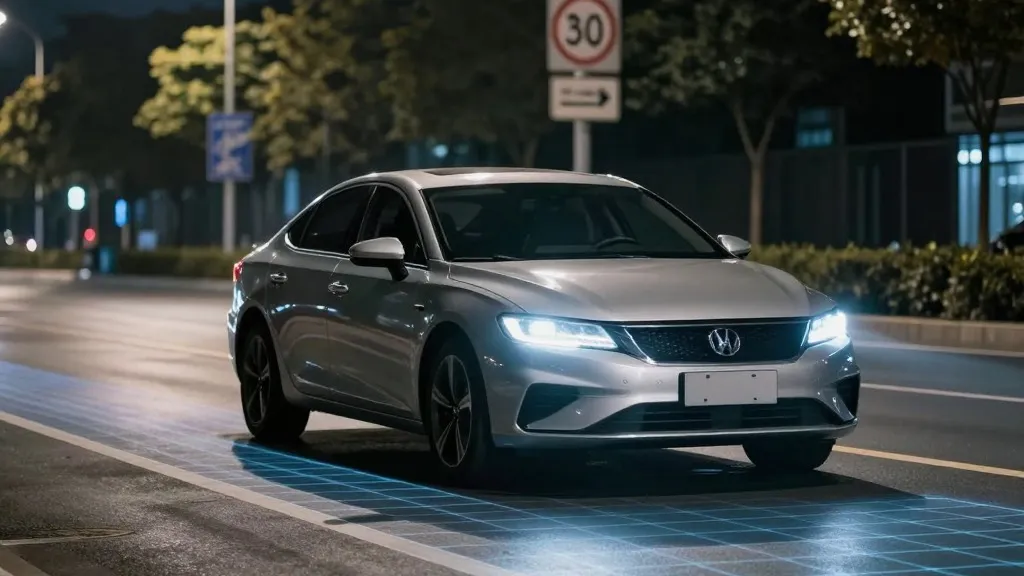
Tesla is now constructing its own mapping system to correct errors in its Full Self-Driving technology.
The company's head of AI addressed the initiative during the Q3 2026 earnings call. The pivot marks a reversal for a firm that previously criticized competitors for relying on detailed navigation data. It indicates the fleet is now performing similar mapping functions to other autonomous vehicle providers.
The topic arose during the shareholder question and answer session. An investor noted that mapping remains a source of trouble for Full Self-Driving. They cited speed limits, parking, and route planning as primary concerns. The investor asked why the company uses third party navigation systems instead of proprietary tools.
Ashok Elluswamy, the Vice President of AI, stated that reliance on external sources must stop. He confirmed the company is building a new mapping and navigation architecture. This system will utilize collective data gathered by the fleet. It will also learn individual driver preferences and respond to voice instructions.
Elluswamy noted that FSD v15 will begin handling the start and finish of trips. In subsequent months, the system will manage navigation, parking, and destination handling.
This strategy contradicts the company's earlier public stance. In 2015, the company said it was creating high-precision maps with extreme granularity. However, during the 2019 Autonomy Day presentation, Elon Musk stated that high-precision lane maps were a mistake. He argued that relying on them makes systems extremely brittle.
The company is now attempting to solve problems related to environmental understanding. Full Self-Driving often fails to interpret speed limit signs. Last month, a Belgian road safety group found the system sped in 55% of tested 30 km/h zones. In the United States, the NHTSA is weighing an investigation into claims regarding school zone speeds.
Tesla's approach now mirrors that of other autonomous vehicle developers. Waymo maps cities before launching service and updates the data continuously. Tesla is describing a similar method where vehicles collect data to improve the system. The primary distinction remains the use of lidar sensors by other providers.
The company continues to operate within specific geofenced areas for its robotaxi service. Tesla is not currently discussing centimeter-level mapping. However, a map built from vehicle data could increase in detail over time.
Musk previously dismissed mapping and lidar as crutches for autonomous driving. He sold Full Self-Driving as a solution that works anywhere through vision alone. The company is now adding maps and operating within geofences.
Waymo has operated driverless service for years using maps. Tesla is building its maps now. The company has pushed unsupervised Full Self-Driving for consumer cars to Q2 2027.
Source: Electrek · original report published