
Rising Input Costs Hit Auto Profits Despite Strong Truck Sales
Detroit manufacturers report increased earnings from vehicle sales, but warn that tariffs, fuel, and chip prices are eroding margins for the coming year.
By Hiroshi Davis ·
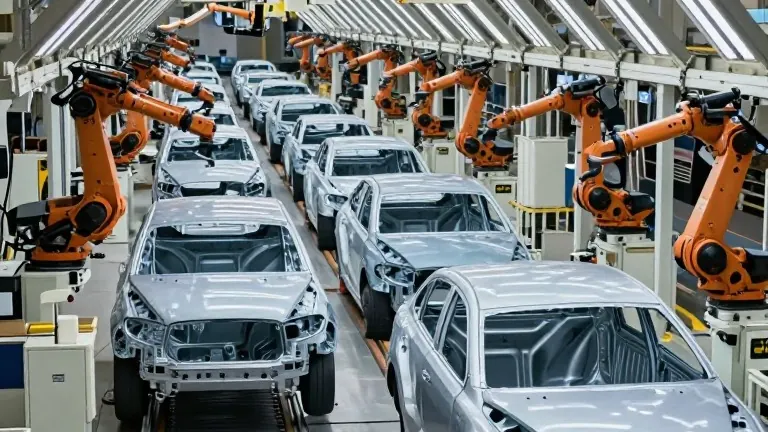
The U.S. auto market remains active, yet the financial picture for major manufacturers is complicated by rising production expenses. General Motors, Ford, and Stellantis all reported third quarter earnings this week. While top-line revenue increased for all three firms, executives cautioned that input costs are squeezing margins.
Consumer demand for large vehicles remains strong. General Motors reported that light truck sales increased by 9 percent over the past year. Stellantis saw U.S. pickup sales rise by 34 percent. Ford noted that its F-Series trucks continue to lead company sales. Total revenue for General Motors rose 2.9 percent, while Ford saw a 2 percent gain and Stellantis reported a 1 percent increase. The average transaction price for a new vehicle in September was just over $50,000, near a record high, according to Kelley Blue Book.
The cost side of the ledger is where the pressure mounts. Tariffs on imported steel, aluminum, and copper have raised material costs. Computer memory chips, which are essential for vehicle electronics, have also become more expensive due to tight supply and demand from the artificial intelligence sector. Logistics costs have climbed as well. The average price for a gallon of diesel hovered around $6.35, just below its September peak, according to AAA. High fuel prices impact the movement of parts across the U.S. and Canada, where supply chains are tightly linked.
General Motors CFO Paul Jacobson stated that material and diesel costs would cost the company up to $2 billion this year. He added that GM is paying about $2.5 billion in tariff costs, a figure lower than earlier forecasts due to refunds. Ford CEO Jim Farley echoed this, estimating that commodities, memory, and logistics costs would create a year-over-year headwind of about $2 billion for the company. Stellantis CEO Antonio Filosa called the higher prices for raw materials an industry-wide phenomenon.
The electric vehicle sector is also facing headwinds. The $7,500 federal tax credit for EVs expired on September 30, 2025. Since then, EV sales have dropped. General Motors reported a 6 percent decline in third quarter sales, partly attributed to the smaller EV market. Jacobson said the company is right-sizing its production capacity to match current demand. Ford executives highlighted the Fathom, an electric truck priced under $30,000, which will be available for pre-order in early 2027.
Hybrid vehicles are gaining ground. Sales of hybrids are up 27 percent in the past year, according to Edmunds. Analysts suggest that high fuel prices are driving this shift. Tesla has regained market share in the EV segment. The company now accounts for almost 52 percent of new EV sales in the U.S. Ivan Drury of Edmunds noted that buyers often default to Tesla when other options are limited. On an earnings call, Tesla CEO Elon Musk discussed potential synergies with SpaceX, suggesting that special committees were discussing a merger.
Stellantis executives said they would provide more details on cost impacts in the fourth quarter. General Motors and Ford indicated that growth in other business segments is helping offset some of the material and fuel expenses. The industry is adjusting its long-term planning to reflect the current market reality, with a focus on internal combustion and hybrid powertrains.
Analysts expect the transition to fully electric vehicles to take longer than initially projected. The Detroit Three automakers are likely to offer more hybrid vehicles in the coming years. For now, gas-powered cars continue to drive the majority of profits for the major manufacturers. The next full set of earnings reports from these companies is scheduled for the fourth quarter.
Source: NPR
More Business · Bad Service · Report a business · Got a Story?