Peru's Fujimori Visits El Salvador's Mega-Prison to Study Security Model
The Peruvian president toured CECOT, the facility holding 90,000 inmates under a state of exception, following a similar visit by Costa Rica's leader.
By Emmanuel Ellis ·
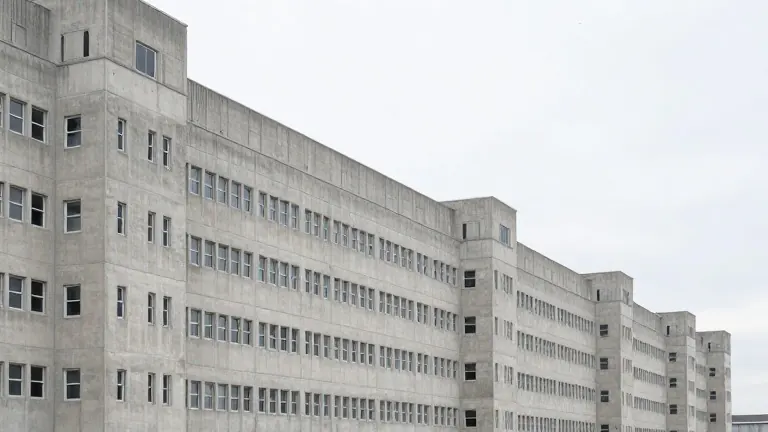
Peruvian President Keiko Fujimori toured the Terrorism Confinement Center in El Salvador on Thursday.
She is the second Latin American head of state to visit the maximum-security facility in recent weeks. Costa Rican President Laura Fernández inspected the prison earlier this month while in San Salvador. Bukele’s administration built CECOT to detain the most dangerous gang members. The facility opened in 2023 and has a capacity for 40,000 inmates.
Fujimori arrived in Peru in July. During her campaign, she proposed constructing a similar institution to address a domestic security crisis. Her country faces high homicide rates and widespread extortion. The Salvadoran Minister of Security, Gustavo Villatoro, and the Minister of Defense, Francis Merino Monroy, hosted Fujimori and her delegation. They outlined the infrastructure design, surveillance protocols, and isolation mechanisms for gang members in a CECOT hall.
A statement from the Salvadoran Presidential Communications Secretariat said the talks focused on technical exchange. The agenda included the transfer of expertise in citizen security, digital security, and state service modernization. Fujimori described the Bukele administration’s efforts as a successful and useful model. She noted that Peru faced similar historical challenges in the 1980s and early 1990s against two major terrorist groups.
El Salvador maintains a state of exception that began in March 2022. This emergency measure suspends certain constitutional rights to combat gangs. More than 90,000 people have been imprisoned under this regime. The country now holds approximately 1.5% of its population in prisons, the highest incarceration rate per capita in the region.
Human rights groups have scrutinized the measure, documenting thousands of arbitrary arrests. The prison gained international attention in 2025 when the United States sent more than 250 Venezuelan deportees there. The Trump administration alleged ties to Tren de Aragua but provided limited evidence. Those detained, including Kilmar Abrego Garcia, were later released. They alleged they were beaten and tortured during their confinement.
Source: WRAZ