
NASA Reworks Moon Landing Architecture to Hit 2028 Target
The agency has shifted its lunar return strategy to simplify docking procedures and eliminate complex refueling steps for its commercial partners.
By Emmanuel Ellis ·
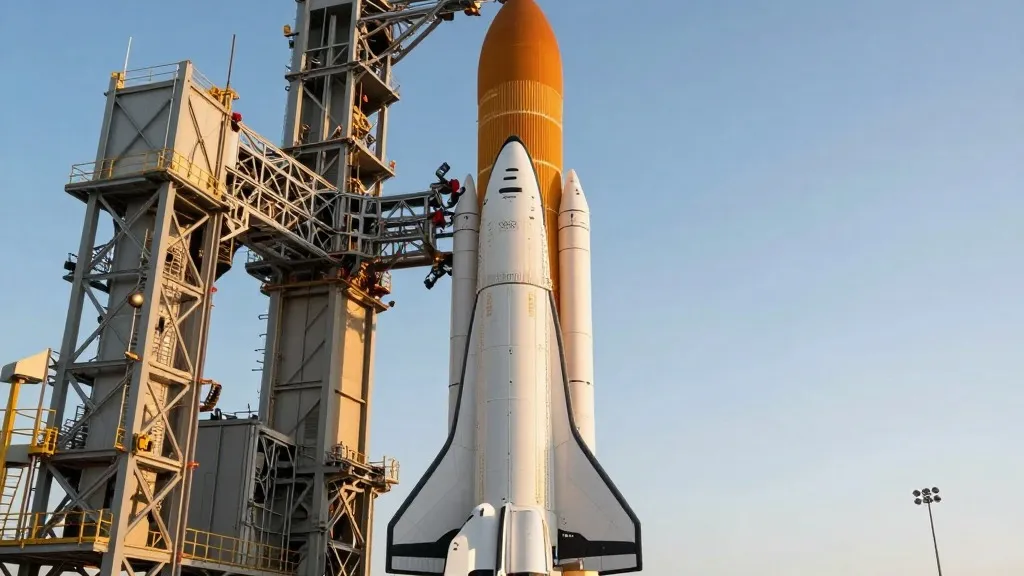
NASA has officially restructured the technical framework for its upcoming lunar missions, aiming to return astronauts to the Moon by 2028. During a comprehensive news conference held on Friday, agency leaders detailed significant adjustments to the Artemis Program. These changes represent the first formal public acknowledgment of substantial architectural shifts that have been discussed in industry circles for some time. The primary goal of these modifications is to streamline operations for the commercial partners building the necessary hardware.
A central component of the new plan involves altering how the Orion spacecraft interacts with SpaceX’s Starship vehicle. Under the revised architecture, Orion will now dock with the Starship lunar lander in high-Earth orbit. This connection will occur before the combined vehicles begin their transit to the Moon. This change moves the critical docking maneuver away from the more complex orbital mechanics previously associated with lunar proximity.
The agency has also adjusted the requirements for Blue Origin’s participation in the lunar return program. The updated mission profile for Blue Origin involves four separate launches of the New Glenn rocket. Notably, this plan eliminates the need for spacecraft-to-spacecraft refueling operations in orbit. The Blue Origin strategy also allows for the possibility of the Blue Moon lander rendezvousing with Orion in low-Lunar orbit, providing a distinct alternative to the SpaceX approach.
NASA officials indicated that the agency remains on schedule for a demonstration mission in the summer of 2027. This Artemis III flight will serve as a critical test of the new architecture, involving docking procedures with both the Blue Moon and Starship vehicles near Earth. Following this demonstration, the agency is tracking toward a 2028 launch for Artemis IV. This mission would mark the first actual landing of astronauts on the lunar surface under the revised plans.
NASA Administrator Jared Isaacman expressed confidence in the agency’s ability to meet these aggressive timelines. He stated that the team is on an achievable path, citing the mandate, resources, and stakeholder support required for execution. Isaacman emphasized that the leadership has reviewed every element of the program to ensure the commercial partners can execute their plans effectively and accelerate development where possible.
The decision to modify the docking locations stems directly from feedback received from SpaceX engineers during meetings in early 2026. The company had requested the removal of a requirement to dock with Orion in a near-rectilinear halo orbit around the Moon. That specific orbital path required more energy and presented other technical difficulties for the Starship vehicle. The cancellation of the Lunar Gateway project earlier this year provided NASA with the flexibility to solve this problem for SpaceX by shifting the rendezvous point to high-Earth orbit.
These updates highlight a broader effort to simplify the logistics of returning humans to the Moon. By addressing the specific engineering challenges raised by its partners, NASA aims to reduce risk and maintain momentum toward the 2028 goal. The agency’s willingness to adjust the architecture based on commercial feedback suggests a more collaborative approach to the Artemis Program’s execution. As the agency moves forward, the focus will remain on validating these new procedures during the upcoming demonstration missions.
Source: Ars Technica · original report published