AI and studio tricks fuel 2026 music authenticity debate
New Orleans rocker Caspian Hollywell asks if music is real as artists pivot to raw sounds to counter digital fabrication.
By Hiroshi Davis ·
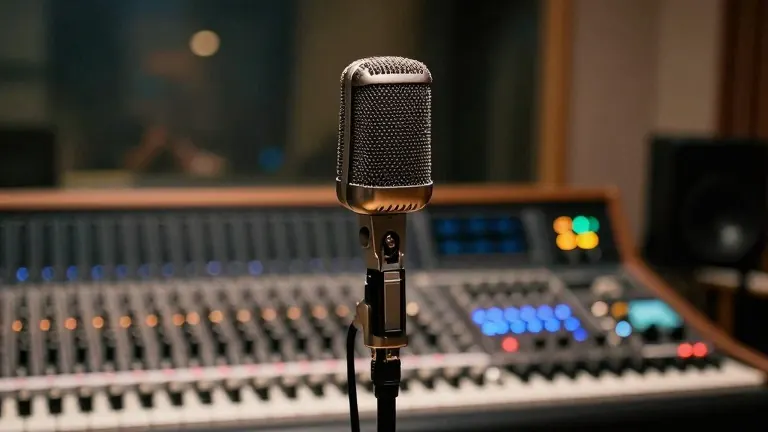
Caspian Hollywell, the lead singer for the New Orleans rock band Twisted Teens, released a song in 2026 titled "Is it real?" The track features Hollywell shouting the question in a disheveled and insistent voice. He tells interviewers that while audiences can like or hate the band, they cannot say it is not real. This declaration fits a wider trend where musicians are using raw, confrontational sounds to distinguish themselves from digital noise.
The music industry in 2026 faces a surge in manufactured identities and artificial intelligence. Mainstream pop stars face allegations of plagiarism, nepotism, and rigged viral successes. Fans report encountering faked musical identities and counterfeit vinyl records. The Rolling Stones recently released a video showing the band de-aged. These incidents have created a sense of chaos where listeners struggle to trust what they hear or buy.
In response, a new wave of artists is adopting do-it-yourself methodologies. Twisted Teens uses a punky retro garage sound. Other groups like Westside Cowboy, Mandy, Indiana, and underscores are also gaining acclaim for their raw approaches. Critics note these artists are winning attention partly because they are fighting what they view as the drift of music toward artificial sludge.
Concerns about musical authenticity are not new. In 1979, guitarist Ry Cooder recorded his album Bop Till You Drop digitally. He was the first major label artist to use a computerized system for a cleaner sound. Cooder later admitted the digital transfer made the music sound thin and cold compared to the analog sessions. A decade later, singer Yvette Marine accused Paula Abdul of using a computer to create a composite voice for the hit Opposites Attract. Marine sued but lost the case.
Historical debates often involve social factors as well as technology. Hugh Barker and Yuval Taylor wrote in their 2007 book Faking It that authenticity tests fall into three categories: representational, cultural, and personal. Representational authenticity asks if an artist actually performed the work. Cultural authenticity looks for verifiable ties to specific communities. Personal authenticity questions whether confessional songs reflect real experiences.
Today, the debate extends beyond recording techniques. The pursuit of the real self in music has intensified due to new technologies and shifting demographics. Listeners continue to adjust to innovation, often enjoying the immediacy of new sounds. However, the current wave of AI and studio tricks has made the search for genuine performance more urgent than in previous decades.
The next step in this cultural shift involves continuing the battle between raw performance and digital fabrication. Musicians are claiming a lineage that dates back to the early 20th century when Black brass bands in New Orleans brought noisy authenticity to the streets. They argue that this rawness remains the standard for real music.
Source: WUSF Public Media